At a Glance

HONG KONG IS COSMOPOLITAN
- With a cosmopolitan community of 7.5 million people (2024)
- Both Chinese and English are official languages
- Convenient and compact city with stunning harbour, skyline and parkland vistas
- Easily accessible to the countryside features hill walks and geoparks
- World-class sports events held throughout the year
- Vibrant cultural scene with world-class cultural performances, art exhibitions and carnivals
- Culinary paradise with many restaurants
- World No.8 in World Merchandise Trade (2024)
- Per capita GDP at current market price: US$54,107 (2024)

HONG KONG IS DYNAMIC BUSINESS HUB
- Free flow of capital, free trade, free market
- No foreign exchange controls
- Simple and low tax system
- Level playing field – local and international companies compete on an equal footing
- One of the world’s most service-oriented economies - service sector accounting for more than 90% of GDP
- Global Initial Public Offerings (IPO) fund raising market
- World’s largest offshore Renminbi (RMB) liquidity pool
- Asia’s largest hedge fund hub and Asia’s second largest private

HONG KONG IS CONNECTED
- Prime location at the heart of Asia
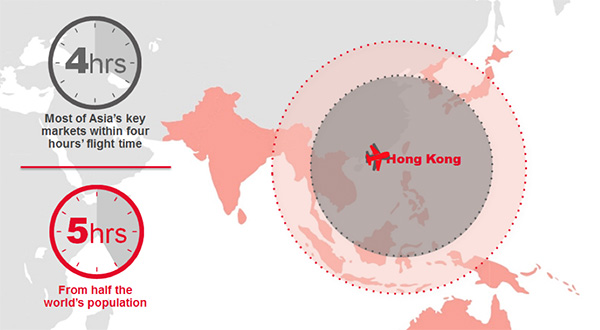
- Access to Asia’s key markets within 4-hour flight distance and half of the world’s population within 5-hour flight distance
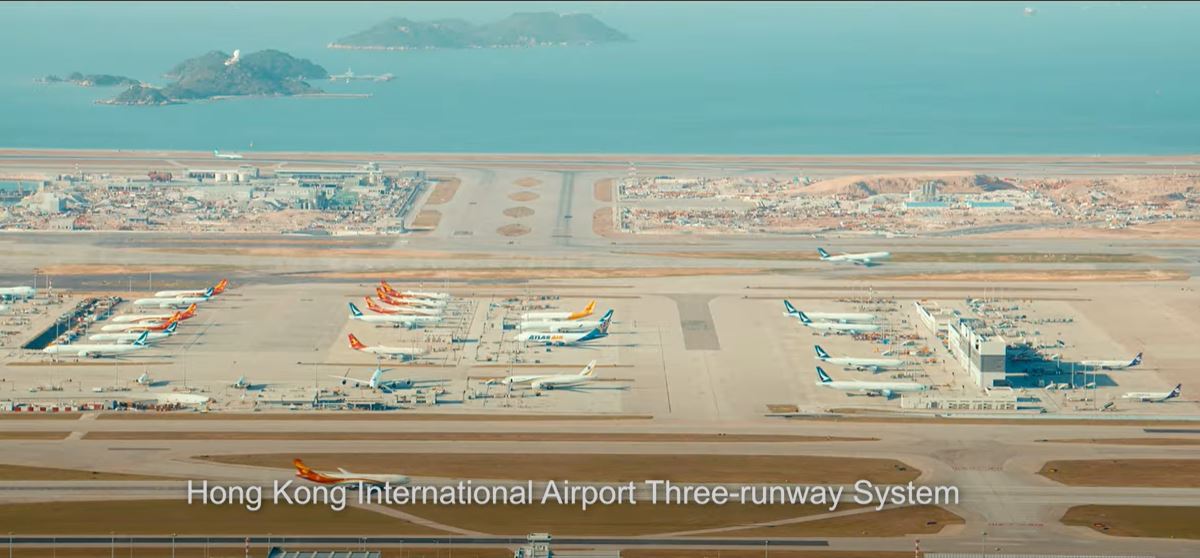
- Hong Kong International Airport is one of the world’s busiest passenger and cargo airports, with 53 million passengers and 4.9 million tonnes of air cargo (2024)
- Over 120 airlines fly to over 220 destinations around the world
- World-class infrastructure and public transport system

One Country, Two Systems
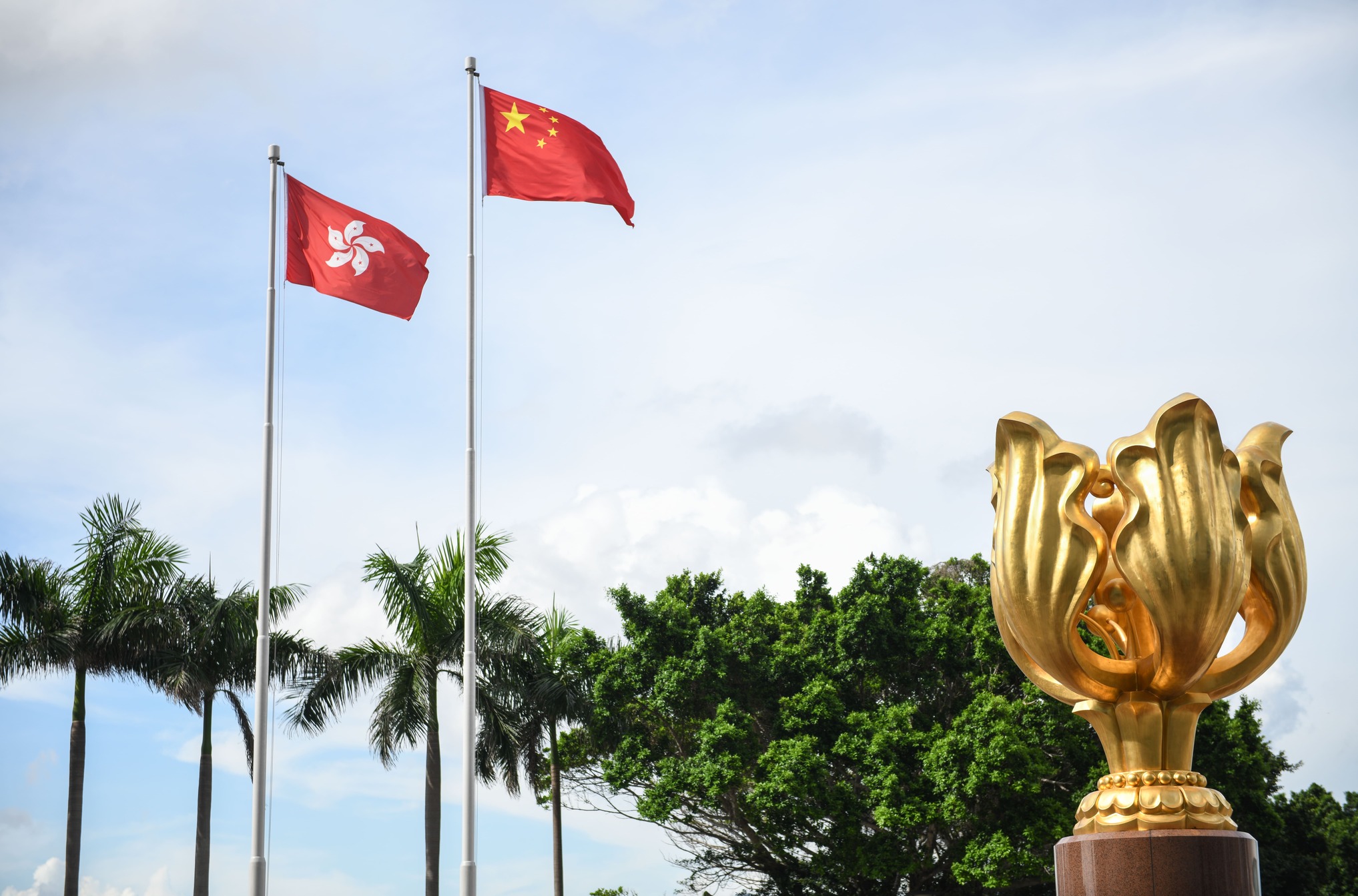
The Hong Kong Special Administrative Region (HKSAR) of the People's Republic of China was established on 1 July 1997 under the principles of “One Country, Two Systems” and “Hong Kong people administering Hong Kong”. These principles are enshrined in the Basic Law, the constitutional document of the HKSAR. The HKSAR is headed by the Chief Executive. He is advised on major policy decisions by the Executive Council. The main administrative and executive functions of government are carried out by the policy bureaux, which formulate policies and initiate legislative proposals, together with the departments and agencies, which implement laws and policies and provide direct services to the community. They are staffed mostly by civil servants.
Basic Law
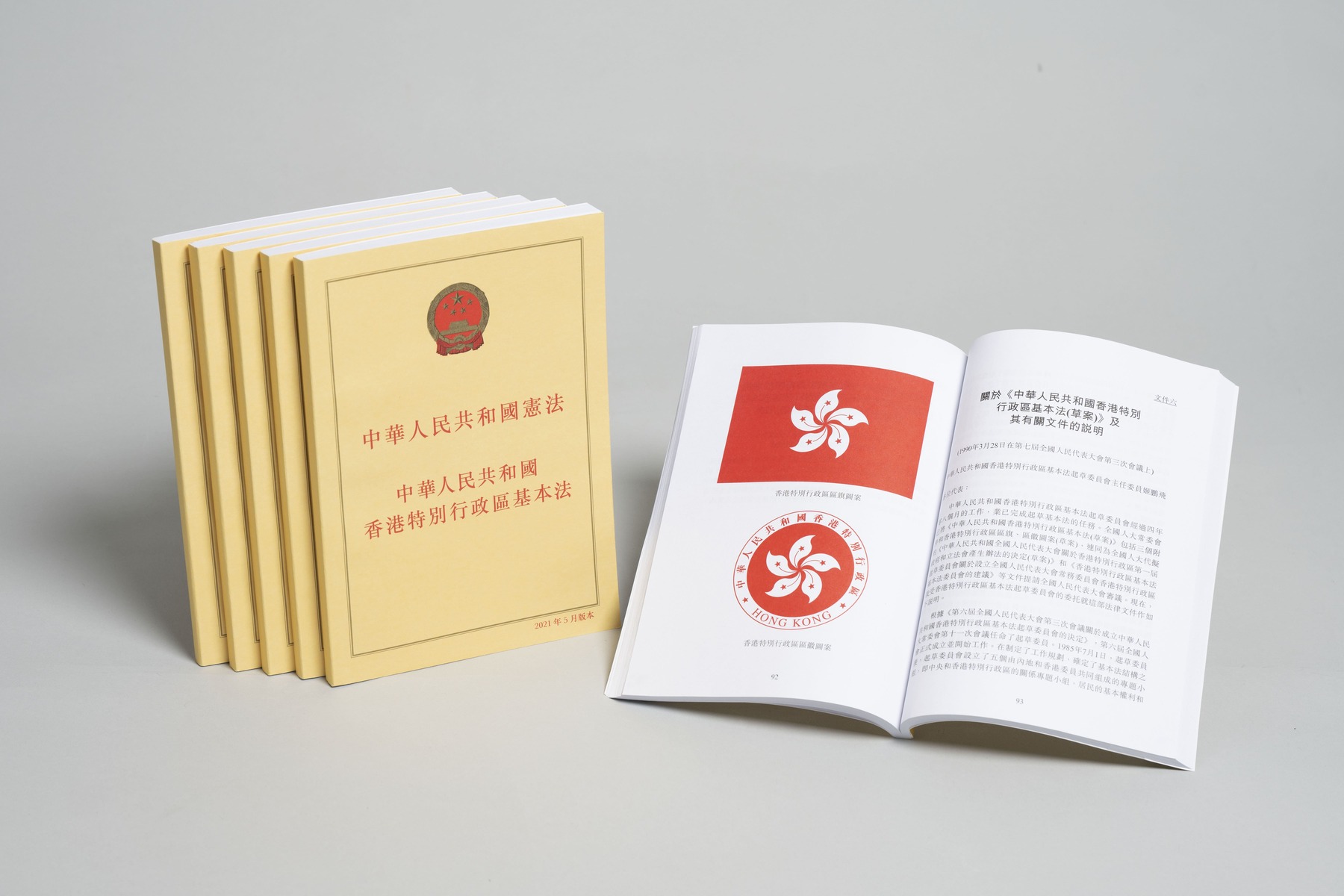
Under the Basic Law, the HKSAR shall enjoy a high degree of autonomy except in those matters relating to defence and foreign affairs. The HKSAR shall exercise executive, legislative and independent judicial power, including that of final adjudication. The HKSAR's executive authorities and legislature shall be composed of permanent residents of Hong Kong. The HKSAR shall remain a free port, a separate customs territory and an international financial centre and may, on its own, use the name of "Hong Kong, China", maintain and develop relations and conclude and implement agreements with foreign states and regions and relevant international organisations in the appropriate fields, including the economic, trade, financial and monetary, shipping, communications, tourism, cultural and sports field.
The Basic Law guarantees that the HKSAR continues to practice common law. The HKSAR has an independent judiciary. It is responsible for the administration of justice and interprets the laws enacted by the Legislative Council.
More information about the Basic Law can be found here.
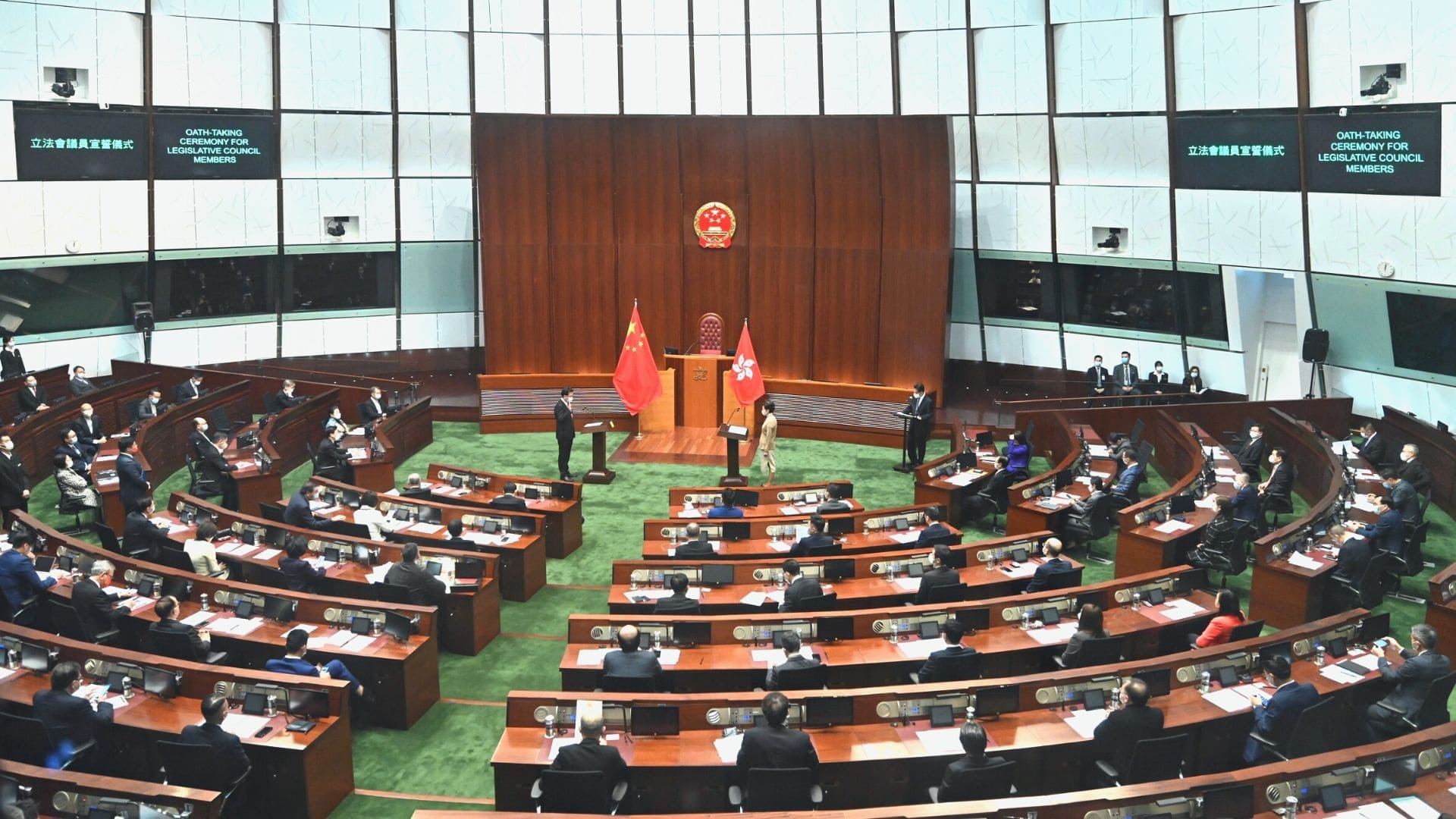
Legislative Council
The Legislative Council is the law-making body of the HKSAR. It comprises 90 members, including 40 Members returned by the Election Committee Constituency, 30 Members returned by Functional Constituencies, and 20 Members returned by Geographical Constituencies through elections. Apart from its law-making function, the Legislative Council debates issues of public interest, examines and approves budgets, receives and debates the Chief Executive's policy addresses, and endorses the appointment and removal of the judges of the Court of Final Appeal and the Chief Judge of the High Court.